



FREE.UNI – Fostering Resilient and Engaged Universities for Democracy
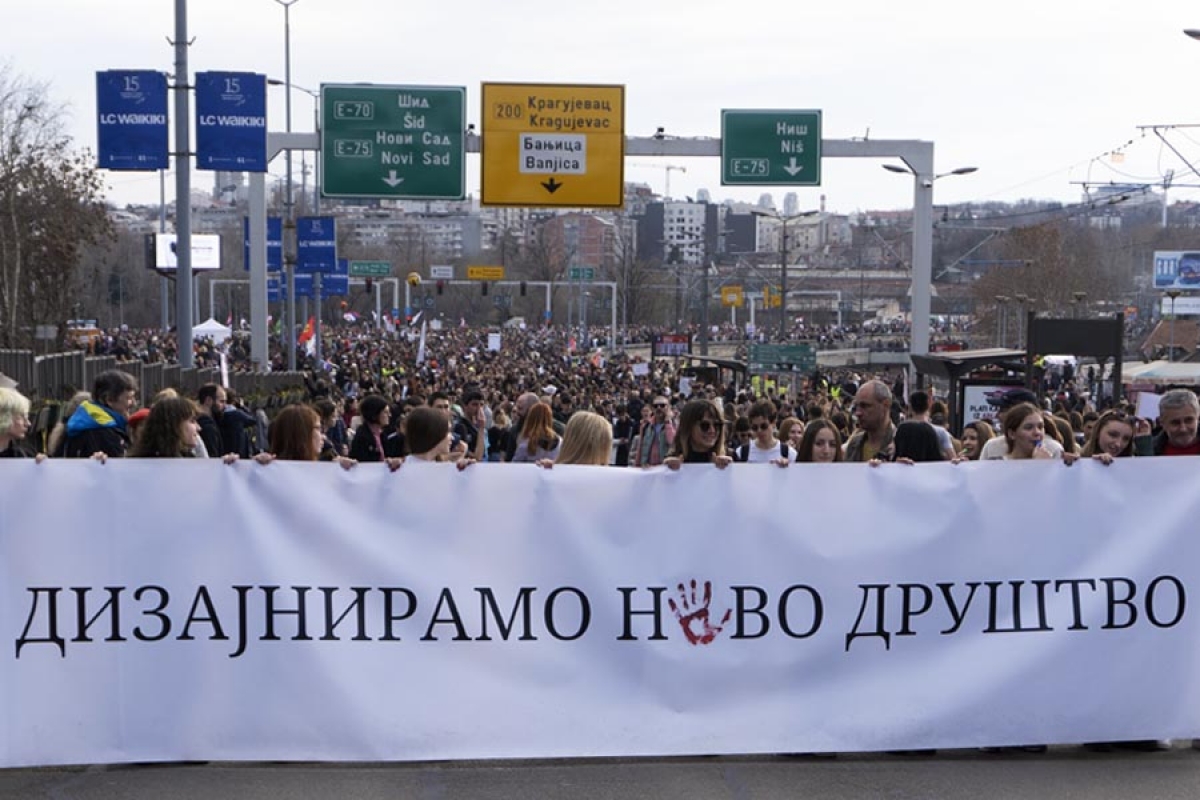
Institut za filozofiju i društvenu teoriju inicirao je novi projekat pod nazivom FREE.UNI: Fostering Resilient and Engaged Universities for Democracy. Projekat se bavi jednim od najvažnijih izazova našeg vremena: rastućim pritiscima na akademsku slobodu i autonomiju univerziteta u uslovima globalnog demokratskog nazadovanja. FREE.UNI okuplja partnere iz Evrope, Afrike, Azije i Južne Amerike kako bi dokumentovao na koji način univerziteti postaju mete autokratizacije, ali i kako se razvijaju strategije otpora. Studije slučaja obuhvatiće različite kontekste, uključujući Mađarsku, Srbiju, Tursku, Brazil, Ganu, Indiju i druge.
Univerziteti se sve češće uvlače u autoritarne obrasce kroz pravna ograničenja, finansijsku manipulaciju, ideološku kontrolu i reforme vođene tržišnom logikom. Istovremeno, oni ostaju ključna mesta demokratske obnove, gde se studenti, nastavnici i mreže solidarnosti okupljaju da brane slobodu istraživanja i građansku angažovanost.
Sa akademske perspektive, hitnost ovog projekta potvrđuju i savremena istraživanja i politički dokumenti. Studije pokazuju da napadi na akademske slobode često predstavljaju rane indikatore demokratskog pada, koji često prethode ograničenjima u pravosuđu ili medijima. Univerziteti nisu pasivne žrtve, već duboko političke institucije, istovremeno ranjive na preuzimanje i sposobne da održe demokratsku kritiku. Kao što naglašavaju Bonska deklaracija o slobodi naučnog istraživanja (2020) i Agenda politike Evropskog istraživačkog prostora (2022–2024), akademska sloboda je kamen temeljac demokratskih društava i preduslov za izvrsnost u istraživanju. Postavljanjem univerziteta u centar rasprava o autokratizaciji i demokratskoj otpornosti, FREE.UNI uvodi inovativnu teorijsku i komparativnu dimenziju u oblast od strateškog značaja za Evropu i šire.
U trenutku kada autoritarne tendencije dobijaju na snazi, FREE.UNI naglašava da zaštita univerziteta nije samo zaštita visokog obrazovanja – to je zaštita same demokratije.