



Dr Bojana Radovanović, Senior Research Fellow at the Institute for Philosophy and Social Theory, University of Belgrade, delivered a lecture entitled “Medical Crowdfunding: When Treatment Depends on Donations” at the Podroom Gallery of the Cultural Centre of Belgrade on 5 November 2026. The lecture formed part of the programme accompanying the exhibition “Medical Deserts”, which addresses inequalities in access to healthcare in Serbia.
The lecture presented findings from a study of 1,079 crowdfunding campaigns active on the Budi Human Foundation’s website during April and May 2024: 660 campaigns for children and 419 for adults. Conducted by the SolidCareLab team, the study examined the illnesses and conditions for which funds were sought, the healthcare needs described in appeals, campaign duration, fundraising targets and the percentage of each target raised.
The findings show that medical crowdfunding plays a significant role in financing long-term treatment and ongoing care. Diseases of the nervous system are the most frequently recorded conditions, with cerebral palsy particularly prominent among children and multiple sclerosis among adults. In both groups, rehabilitation and therapies are the most common needs for which donations are sought. At the time of data collection, more than a third of active campaigns in each group had been running for five years or longer. Fundraising targets most commonly range from one million to ten million Serbian dinars. Only around 15% of active campaigns had raised more than 90% of their target. This figure reflects fundraising progress at the time of data collection and should not be interpreted as a final campaign success rate. The study excludes campaigns that had already ended and does not track final fundraising outcomes. The findings raise the question of how reliably donations can fund treatment and care.
Dr Radovanović stressed that running a crowdfunding campaign requires time and additional work from people who are already caring for someone who is ill. Patients and their loved ones face a double burden: the illness itself and the need to make their vulnerability and private lives public in order to obtain support. International research indicates that people do not have equal chances of raising the funds they need. Campaign success is influenced by how campaigns are presented and managed, as well as by the social and cultural capital of those who initiate them: their knowledge and skills, personal networks and ability to reach people who can provide financial support.
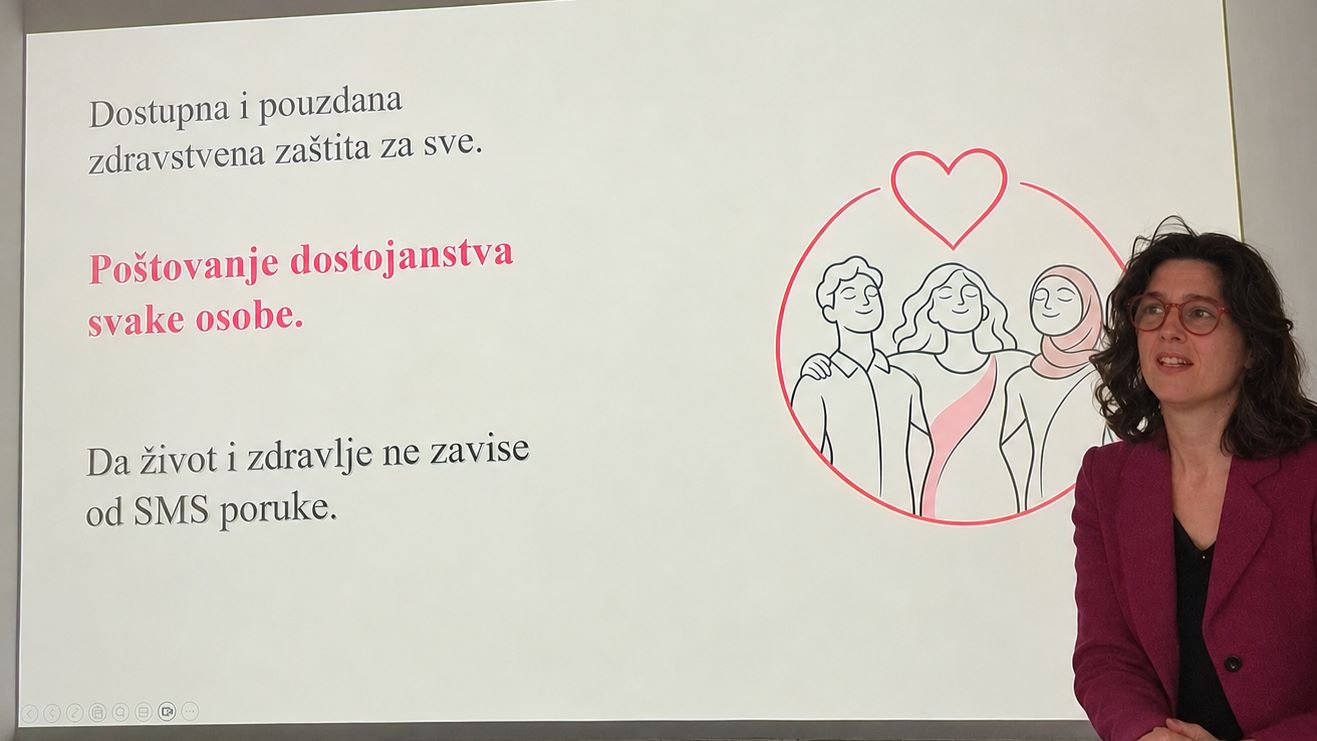
Radovanović concluded that citizens’ solidarity provides invaluable support to patients and their families, but that the right to treatment and care must not depend on fundraising success. She emphasised that everyone should have access to reliable healthcare that respects their dignity.